
Both the 2018 and 2021 IRC/IECC require comprehensive air sealing to minimize heat loss and reduce the potential for moisture condensation issues.
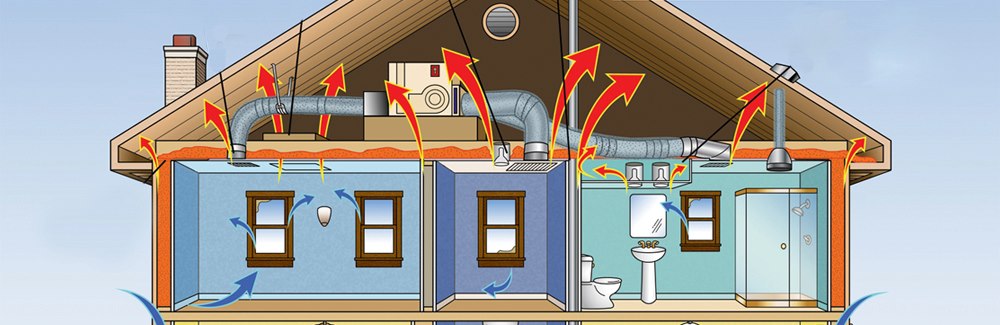
The 2021 IRC/IECC requires a documented visual field inspection of all necessary air sealing details AND a post-construction air leakage test using a blower door to verify that the house has an acceptable leakage rate, as measured in Air Changes per Hour (ACH) at the test pressure of 50 pascals.
The New Jersey DCA Bulletin 22-1, however, includes an amendment that allows builders to select only one of the verification methods. Most builders choose to complete the visual inspection and forgo the blower door test.
Both the 2018 and 2021 IECC specify a maximum air leakage rate of 3 ACH when the Prescriptive Compliance Path is used.
However, the 2021 IECC now allows a higher maximum rate of 5 ACH when following one of the other pathways, which will require improved performance in other areas to compensate for the higher leakage.
Air Changes per Hour:
The list of required air sealing details is too extensive to cover on this website. However, this document, available from the US DOE Building Energy Codes Program, is a good starting point: